AN INDEPENDENT VISUAL JOURNAL
HISTORY IS
A MYSTERY.
Index: Johnstown documents the city's urban, social, and architectural history through original photography, fieldwork, archival research, reporting, maps, and design.
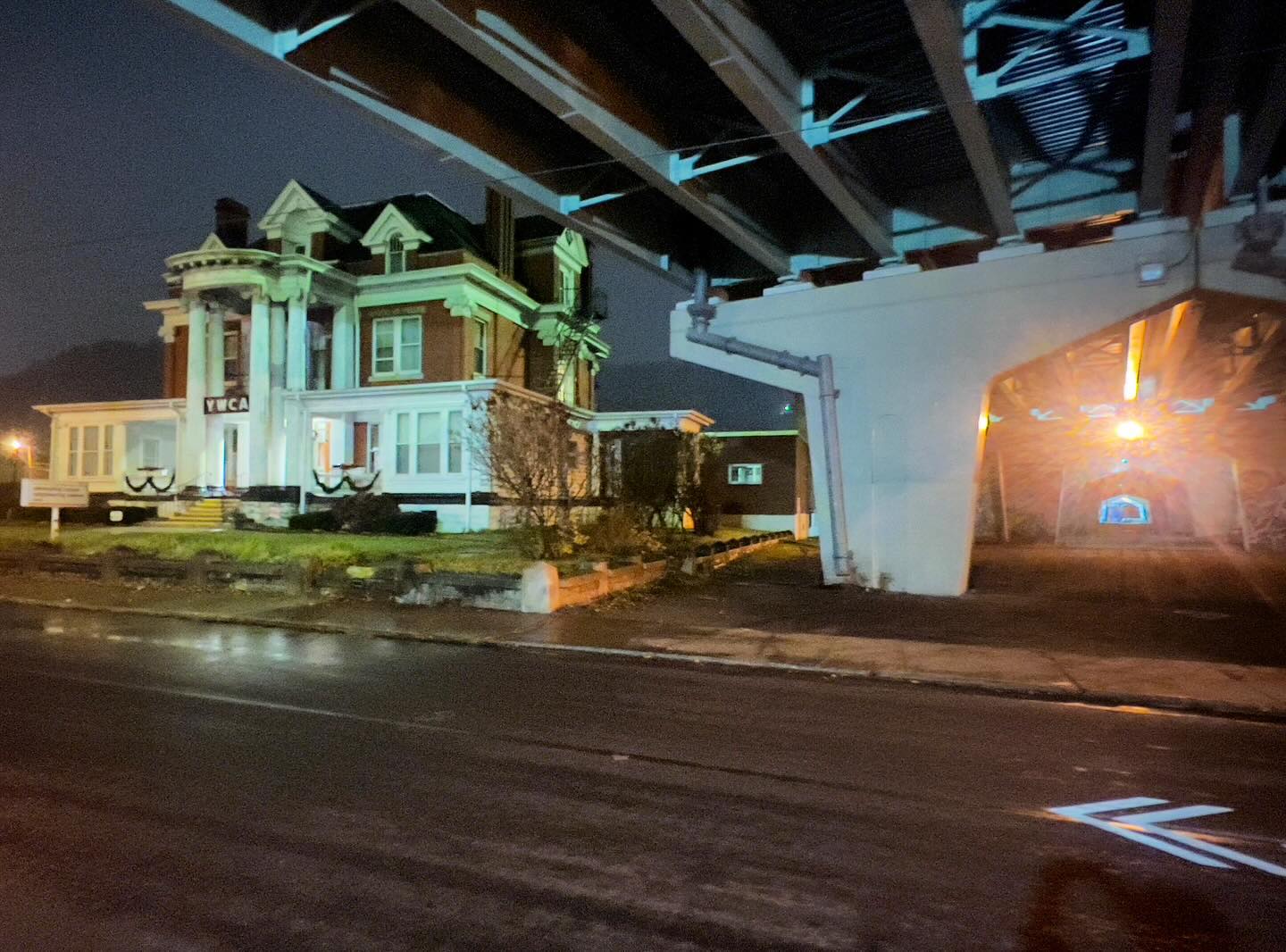
THE PROJECT
A record of the city hiding in plain sight.
Buildings, streets, signs, infrastructure, storefronts, vehicles, and missing places all hold clues. The Johnstown edition follows those clues to understand how the city was built, how it changed, and how people made lives within it.
Index: Johnstown is an independent project founded and edited by Jack Miller.
WHY THIS WORK
A city is remembered by what people choose to notice.
Johnstown's neighborhoods are changing. Buildings disappear, businesses close, infrastructure alters the landscape, and everyday stories go unrecorded. We are creating an accessible visual record before more of that evidence is lost.
WHAT INSPIRES US
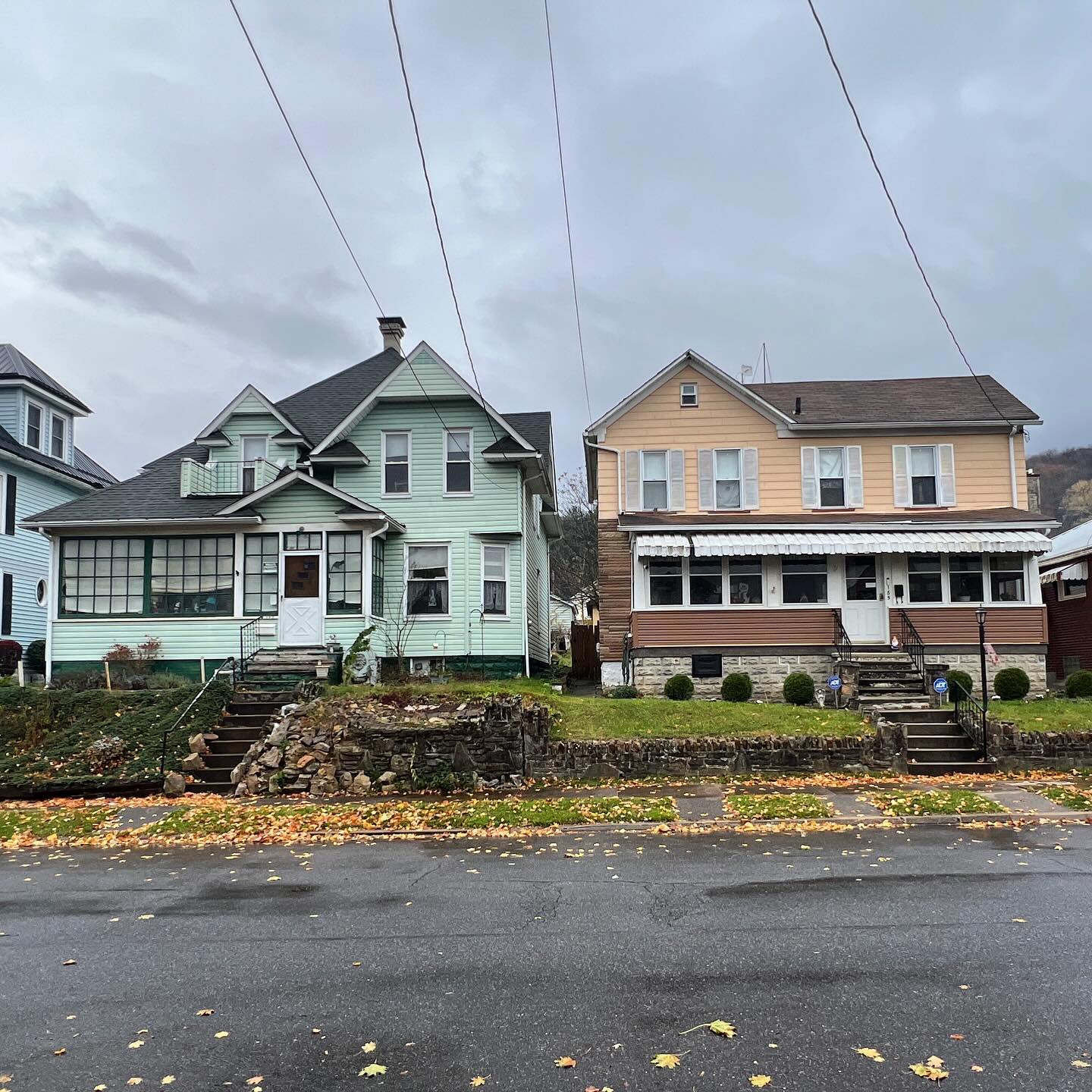
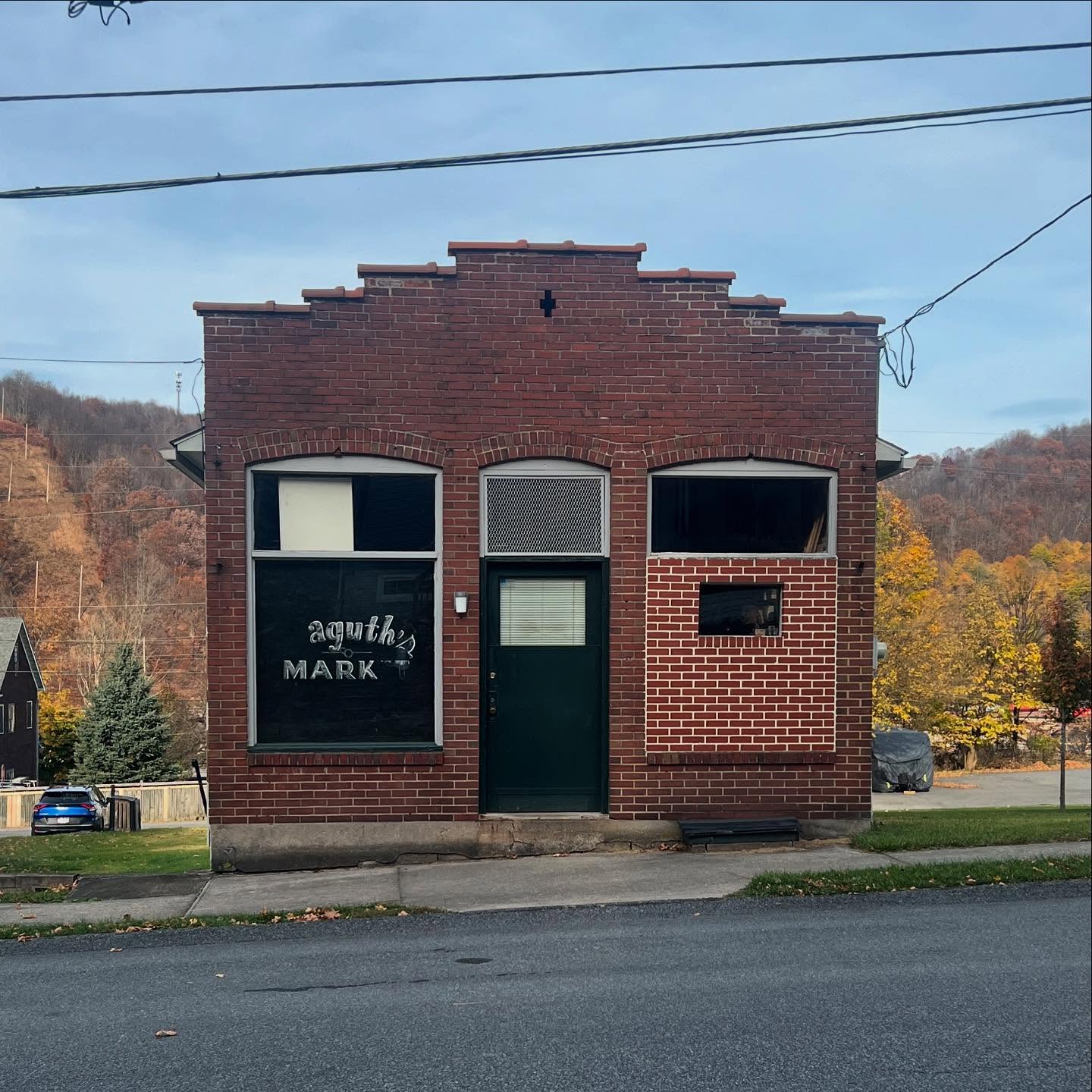
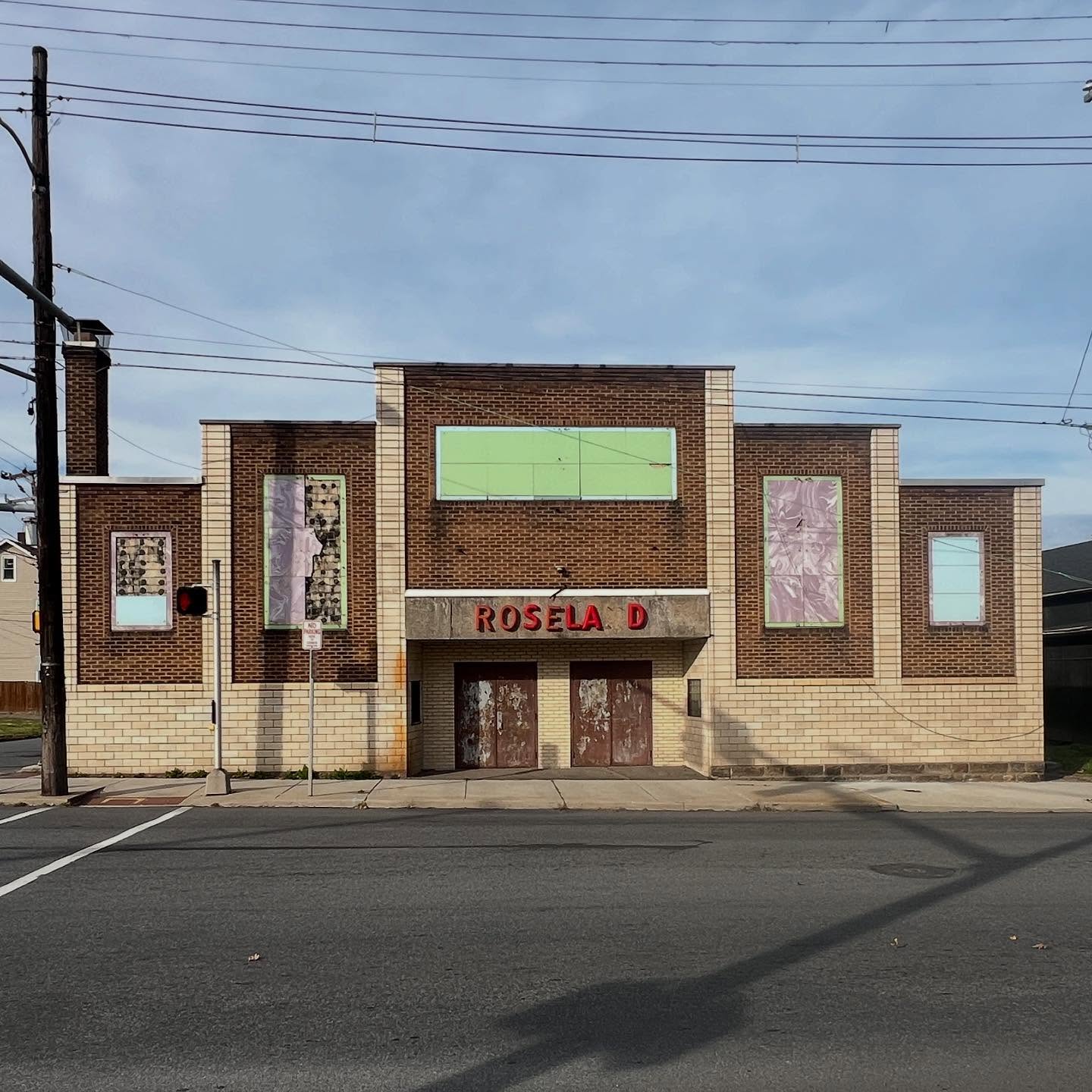
Vernacular architecture. Old signs. Transit routes. Public works. Neighborhood businesses. Cars, stonework, tax maps, city directories, demolition records, and the questions raised by an empty lot. The ordinary details reveal how a place actually lived.
EDITORIAL POSITION / 001
THE FLOODS ARE CONTEXT.
THEY ARE NOT THE SUBJECT.
Johnstown's floods caused profound loss of life, displaced families, and left lasting trauma. They remain an essential part of the city's history and deserve to be remembered with care.
Index looks elsewhere without looking away: at the urban, social, and architectural history visible in daily life before, between, and after disaster. The aim is not to diminish the floods, but to make room for the rest of Johnstown's story.
HOW WE WORK
DOCUMENTARY PHILOSOPHY
Fieldwork with a paper trail.
- 01
PAY ATTENTION
Walk, drive, photograph, listen, and follow the visual clue.
- 02
BE CURIOUS
Use maps, archives, directories, public records, and oral history.
- 03
FACT CHECK
Separate documented fact from inference and the open question.
- 04
SHARE
Turn the findings into clear, visual, and accessible public history.
COMING NOVEMBER 2026
EVIDENCE OF A CITY
Issue 01 begins with the evidence already assembled: original photography, archival research, infrastructure, altered neighborhoods, vernacular buildings, missing places, and the questions they leave behind.
FOLLOW THE FIELDWORK ON INSTAGRAM